Hey there! I’m a supplier of compensating cables, and I often get asked by customers, "How do I choose a compensating cable for a specific temperature sensor?" Well, it’s a great question, and in this blog, I’m gonna break it down for you. Compensating Cable
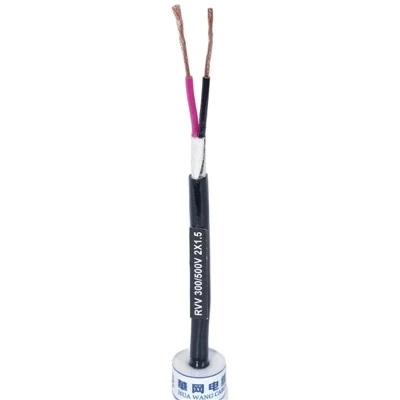
First off, let’s understand what a compensating cable is and why it’s so important. A compensating cable is used to connect a temperature sensor, like a thermocouple, to a measuring instrument. Its main job is to carry the tiny voltage signals generated by the sensor to the instrument accurately. You see, temperature sensors are super sensitive, and any interference or loss in the signal can lead to inaccurate temperature readings. That’s where a good compensating cable comes in.
Now, when it comes to choosing the right compensating cable for your temperature sensor, there are a few key factors you need to consider.
Compatibility with the Temperature Sensor
The first and most crucial thing is to make sure the cable is compatible with your temperature sensor. Different types of temperature sensors, such as thermocouples, have specific requirements. For example, thermocouples are made from different combinations of metals, like Type K (chromel – alumel), Type J (iron – constantan), and Type T (copper – constantan). Each type has its own unique electrical characteristics, and you need a compensating cable that matches these characteristics.
If you use the wrong cable, it can introduce errors in the temperature measurement. For instance, if you connect a Type K thermocouple to a cable designed for a Type J thermocouple, the voltage signals won’t be transferred accurately, and you’ll get incorrect temperature readings. So, always check the type of your temperature sensor and choose a compensating cable that’s specifically designed for it. You can usually find the type of your thermocouple marked on it or in the product documentation.
Temperature Range
Another important factor is the temperature range. You need to know the minimum and maximum temperatures that the cable will be exposed to in your application. Compensating cables are rated for specific temperature ranges, and using a cable outside of its rated range can cause problems.
If the temperature gets too high, the insulation of the cable can melt or degrade, which can lead to short – circuits or signal loss. On the other hand, if it gets too cold, the cable can become brittle and crack, again affecting the signal integrity. For example, if you’re operating in a high – temperature industrial furnace, you’ll need a cable with a high – temperature rating. Some cables can withstand temperatures up to 200°C or even higher, while others are designed for more moderate temperatures, like those in a laboratory environment.
Environmental Conditions
The environment where the cable will be installed also plays a big role. Is it a dirty, dusty place? Is there moisture or chemicals present? If so, you’ll need a cable with the right kind of protection.
In a dirty or dusty environment, a cable with a good outer sheath can prevent dust and dirt from getting inside and damaging the conductors. Moisture – resistant cables are essential if the cable will be exposed to water or high humidity. And if there are chemicals around, you need a cable with a chemical – resistant insulation. For example, in a chemical plant, you might need a cable with a special fluoropolymer insulation that can resist the corrosive effects of chemicals.
Cable Length
The length of the cable matters too. Longer cables can cause more signal loss, especially if the current is very small, like in the case of thermocouples. As the cable length increases, the resistance also increases, which can affect the accuracy of the signal.
So, if you need a long cable, you might want to consider using a cable with a larger cross – sectional area. A thicker cable has lower resistance, which helps to reduce signal loss. However, thicker cables can also be more expensive and harder to install. You need to find a balance between the length, the cross – sectional area, and your budget.
Shielding
Shielding is something you might want to think about, especially if there’s a lot of electromagnetic interference (EMI) in the area. EMI can come from things like motors, generators, or other electrical equipment.
A shielded compensating cable has an extra layer of conductive material around the inner conductors. This shield acts like a barrier, blocking the EMI from getting into the cable and affecting the signal. If you’re in an industrial environment with a lot of electrical noise, a shielded cable is definitely a good choice. But keep in mind that shielded cables are usually more expensive than unshielded ones.
Cost
Let’s face it, cost is always a factor. You want to get a quality compensating cable, but you also don’t want to break the bank. There’s a wide range of prices in the market, depending on the cable’s quality, features, and brand.
You might be tempted to go for the cheapest option, but remember, you often get what you pay for. A low – quality cable can lead to inaccurate temperature measurements, which can cost you more in the long run. So, look for a cable that offers a good balance between price and quality. You can compare different products from various suppliers to find the best deal.
So, there you have it. Those are the main factors to consider when choosing a compensating cable for your temperature sensor. At my supply business, we understand that every customer’s needs are different. That’s why we offer a wide range of compensating cables to suit various temperature sensors, temperature ranges, and environmental conditions.
Whether you’re working in a small laboratory, a large industrial plant, or any other application, we’ve got the right cable for you. Our cables are made with high – quality materials, and we ensure strict quality control to make sure you get accurate and reliable performance.
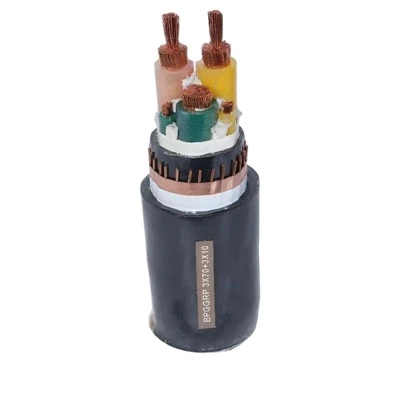
If you’re still not sure which compensating cable is right for your specific temperature sensor, don’t worry. Our team of experts is here to help. We can answer all your questions, provide more detailed information, and even assist you in making the best choice for your application.
Aluminum Cable Contact us today to start a conversation about your compensating cable needs. We’re looking forward to working with you and helping you get the most accurate temperature measurements possible.
References
- "Temperature Measurement Handbook", Various Industry Experts.
- "Thermocouples: Theory and Practice", Academic Publishers.
Anhui Huawang Cable Co., Ltd.
As one of the most professional compensating cable manufacturers and suppliers in China, we also support customized service. If you’re going to buy discount compensating cable, welcome to get pricelist from our factory. Quality products and reasonable price are available.
Address: No. 32, East Street, Batian Street, Datong Town, Tianchang City, Anhui Province
E-mail: Linda@huawangcable.com
WebSite: https://www.huawang-cable.com/
