If you’ve ever walked past a pharmaceutical factory, you might’ve noticed that even the air feels cleaner there than at your average warehouse. But here’s the thing I’ve heard a hundred times as a dust collector supplier: a lot of people still wonder if our gear actually belongs in pharma. Like, don’t those places use super fancy, specialized equipment that nothing else can touch? Spoiler alert—no, not at all. Dust collectors are not only useful in pharma; they’re basically non-negotiable. Let me break this down like I would to a plant manager who’s just stared down a FDA audit red flag. Dust Collectors
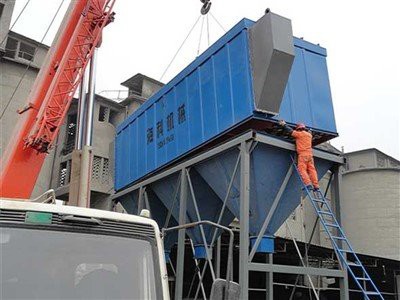
First off, let’s talk about what makes pharma dust different from, say, sawdust from a lumber yard or construction debris from a job site. This isn’t just tiny particles floating around. We’re talking about active pharmaceutical ingredients (APIs) here—stuff that can be super potent, even in microscopic amounts. You get a whiff of that wrong dust, and it could cause a reaction, or worse. Then there’s excipients, the inactive bits that bind pills together, some of which are fine enough to pass through a HEPA filter if you’re using the wrong gear. And don’t even get me started on cross-contamination. If a batch of antibiotic powder gets into a batch of allergy meds, that’s a catastrophic recall waiting to happen. A good dust collector doesn’t just suck up dust—it contains it, and that’s the line in the sand for pharma facilities.
Wait, but hold on—old-school dust collectors? The ones that back in the day would spew dust out the exhaust because their filters were junk? Yeah, those were garbage for pharma. But modern dust collectors? That’s a whole other ballgame. I’ve worked with three different pharma plants in the last two years that swapped out their old, inefficient systems for our gear, and all three passed their next audit with zero issues. Let’s get into the science here, because this isn’t just “sucking air”—it’s engineering for compliance.
First, filtration efficiency. Pharma requires 99.97% filtration of particles as small as 0.3 microns. That’s the HEPA standard, right? A lot of cheap dust collectors skip this to save a buck, but that’s a non-starter in pharma. Our units use H13 or H14 HEPA filters (the highest rating you can get for regular operation) that catch even the tiniest API particles. What’s cool about how we set ’em up, too, is the pulse-jet cleaning system. Instead of manually tapping filters every shift (which is a huge hygiene risk), we use short bursts of compressed air to shake off dust when the pressure drops, so the filters stay efficient 24/7. No downtime for cleaning, no human hands touching contaminated filters—perfect.
Then there’s containment. Pharma dust isn’t just bad for the product; it’s bad for workers, too. API particles are often toxic, carcinogenic, or sensitizing. I had a rep tell me last month about a plant that had a worker develop a chronic lung condition because they weren’t capturing dust from a specific API during milling. They hired us, and we installed dust collectors directly at the point of generation (that’s called source capture, for anyone who doesn’t know—way better than trying to clean air after it’s spread all over the room). Now, their exposure levels are 10x below OSHA limits. That’s not just a win for safety—it’s a win for worker comp claims, which are a huge cost for pharma.
Cross-contamination is the big one, though, and this is where a lot of suppliers mess up. If you’re making 10 different products a month, you can’t have dust from Product A’s API ending up in Product B’s hopper. Our dust collectors are designed with dedicated, isolated compartments for each product stream. So when you switch batches, you can completely purge the collector without any leftover dust mixing into the next run. Some of our pharma clients even use negative pressure systems in their collectors, so air only flows one way—into the collector, not back out into the production area or the next process step. That’s a game-changer for avoiding cross-contamination.
But wait, what about cleanrooms? Because pharma has different grades of cleanrooms, right? ISO Class 5, 7, 9, all that. A lot of people think dust collectors can’t be used in ISO 5 cleanrooms, which are the most sterile. Let me clarify: you just need the right model. We have units that are tested for cleanroom compatibility—no outgassing parts, sealed to prevent any leakage, and constructed with materials that are easy to sanitize (304 stainless steel, no crevices where bacteria can grow). One of our ISO 5 clients uses our dust collectors at their tableting stations, and they’ve never had a cleanroom air quality test fail because of particulate matter from the tableting process. It works, I promise.
Now, let’s talk about the stuff no one tells you about pharma operations. Downtime costs a fortune. If your production line stops because of a dust-related issue—like a filter clogging so bad the air flow drops, forcing a shutdown—you’re losing tens of thousands of dollars an hour. Our dust collectors have built-in monitoring systems that track filter pressure, air flow, and even filter life in real time. So you get an alert before a clog happens, not after. That means no unplanned downtime, which is huge for pharma, where batch schedules are locked in months in advance.
I also want to address a common pushback: “We use centralized HVAC, why would we need a dust collector?” Here’s the thing: HVAC is for heating, cooling, and overall air change. It’s not for high-concentration, point-source dust. When you’re milling, blending, or granulating APIs, you’re generating a huge spike in dust in a tiny area—HVAC can’t pull that out fast enough without moving too much air, which wastes energy and can actually spread dust around the facility. A dust collector right at that milling station pulls 90% of that dust before it even has a chance to get into the HVAC system. That means your HVAC works better, too, because it’s not stuck cleaning up extra junk.
Don’t get me wrong, I’m not here to say dust collectors are a silver bullet. You can’t just slap any old unit into a pharma plant and call it a day. You need to work with a supplier who understands the regulations—FDA, cGMP, EU GMP, all that stuff. We don’t sell a one-size-fits-all unit. We do a site assessment first: we walk your facility, map out where all the dust sources are, measure the particle sizes and concentrations, and tailor a system that fits exactly your operations. One client had a problem with dust from lyophilization (freeze-drying) that was messing with their product moisture levels. We installed a specialized dust collector with a cold-side filtration system that captured the fine ice dust without affecting the product’s moisture. They haven’t had that issue in two years.
Another point: waste handling. Pharma dust is hazardous waste, right? You can’t just sweep it up and throw it in the trash. Our dust collectors have sealed, drum-style collection bins that are easy to remove, and the dust is contained the whole time. No spills, no exposure during disposal. That eliminates a ton of manual labor and compliance headaches for our clients. I’ve seen other dust collectors that use open hoppers—those are a disaster waiting to happen in pharma, because you’re exposing workers and risking contamination when you empty them.
Let’s also talk about energy efficiency, because pharma is always looking to cut costs. A lot of people think high-efficiency filtration means high energy use, but that’s not true with our modern units. We use variable speed drives that adjust the fan speed based on how much dust is being generated. When you’re not running a milling cycle, the fan slows way down, so you’re not wasting energy pushing air through clean filters. One of our clients saw a 22% drop in their facility’s air handling energy costs after installing our dust collectors— that’s real money back in their pocket.
Wait, I should also mention something about validation. Because pharma facilities have to validate every piece of equipment that touches their product. Our dust collectors come with full documentation: filter test data, material safety data sheets, performance test reports, all the stuff you need for validation. We even help clients write validation protocols if they need it. That’s a huge relief for plant engineers who are already swamped with audit prep.
I know there’s still skepticism out there. I’ve heard people say “dust collectors will contaminate our product” or “they’re too expensive.” But from what I’ve seen, the opposite is true. The cost of not having a good dust collector—recalls, downtime, worker injuries, audit failures—way outweighs the cost of the system. I worked with a small biotech last year that thought they could get away with a cheap dust collector for their clinical trial batches. They had a cross-contamination issue in their second batch, which set them back six months and cost them over a million dollars in delays. Switched to our gear, and their last three batches have been flawless.
So, to circle back to the original question: Can dust collectors be used in pharmaceutical industries? Hell yes. They’re not just useful—they’re essential. They keep workers safe, they protect product integrity, they help pass audits, they cut costs, and they eliminate a ton of headaches that pharma facilities deal with every day.

If you’re in the pharma industry and dealing with dust-related issues, or you just want to make sure your facility is compliant, give us a shout. We can walk you through a site assessment, answer all your questions about filtration, containment, validation, whatever. No sales pitch, no pressure—just real advice from someone who’s worked with dozens of pharma plants and knows exactly what you’re up against. Don’t let bad dust derail your operations.
Air Classifiers References
- U.S. Food and Drug Administration (FDA). (2023). Guide for Industry: Controlling Particulate Contamination in Pharmaceutical Products.
- International Organization for Standardization (ISO). (2022). ISO 14644-1: Cleanrooms and Associated Controlled Environments—Part 1: Classification of Air Cleanliness by Particulate Concentration.
- Occupational Safety and Health Administration (OSHA). (2021). General Duty Clause and Particulate Matter Exposure in Manufacturing Facilities.
- European Medicines Agency (EMA). (2020). Guideline on Good Manufacturing Practice (GMP) Annex 1: Manufacture of Sterile Medicinal Products.
- American Conference of Governmental Industrial Hygienists (ACGIH). (2022). Threshold Limit Values (TLVs) for Chemical Substances and Physical Agents.
Jiangsu Haike Environmental Tech Co., Ltd.
As one of the most professional dust collectors manufacturers and suppliers in China, we’re featured by quality products and good service. Please rest assured to wholesale customized dust collectors at competitive price from our factory. Contact us for quotation.
Address: No.1, Wei’er Branch Road, Shanggang Industrial Park, Jianhu County, Yancheng City, Jiangsu Province, China
E-mail: 17388487000@163.com
WebSite: https://www.jshkhbwm.com/
