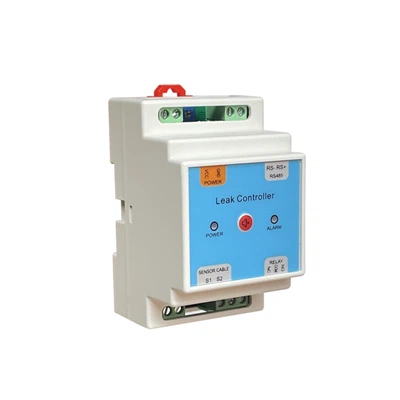
Leakage can cause significant problems in various industries, from environmental hazards to financial losses. As a supplier of leakage detection systems, I understand the importance of choosing the right solution for your specific needs. In this blog post, I’ll share some key factors to consider when selecting a suitable leakage detection system. Leakage Detection System
Understanding Your Requirements
The first step in choosing a leakage detection system is to understand your specific requirements. Different industries and applications have different needs, so it’s essential to assess your situation carefully. Here are some questions to consider:
- What type of fluid or gas are you detecting? Different substances require different detection methods. For example, detecting a liquid leak may require a different approach than detecting a gas leak.
- What is the size of the area you need to monitor? Larger areas may require a more comprehensive detection system, while smaller areas may be adequately covered by a simpler solution.
- What is the level of sensitivity required? Some applications may require highly sensitive detection to identify even the smallest leaks, while others may only need a general indication of leakage.
- What are the environmental conditions? Factors such as temperature, humidity, and the presence of other chemicals can affect the performance of a leakage detection system. Make sure the system you choose is suitable for the environment in which it will be used.
Types of Leakage Detection Systems
There are several types of leakage detection systems available on the market, each with its own advantages and limitations. Here are some of the most common types:
1. Ultrasonic Leak Detection Systems
Ultrasonic leak detection systems work by detecting the high-frequency sound waves produced by a leak. These systems are highly sensitive and can detect leaks in a variety of applications, including pipes, valves, and tanks. Ultrasonic leak detection systems are non-invasive and can be used to detect leaks without shutting down the system.
2. Infrared Leak Detection Systems
Infrared leak detection systems use infrared technology to detect leaks. These systems work by detecting the heat signature of a leak, which is caused by the difference in temperature between the leaking fluid or gas and the surrounding environment. Infrared leak detection systems are highly accurate and can detect leaks in a variety of applications, including roofs, walls, and pipes.
3. Pressure-Based Leak Detection Systems
Pressure-based leak detection systems work by monitoring the pressure in a system. If there is a leak, the pressure in the system will drop, and the system will detect the change. Pressure-based leak detection systems are commonly used in pipelines and storage tanks.
4. Conductivity-Based Leak Detection Systems
Conductivity-based leak detection systems work by monitoring the electrical conductivity of a fluid or gas. If there is a leak, the conductivity of the fluid or gas will change, and the system will detect the change. Conductivity-based leak detection systems are commonly used in water and wastewater applications.
Factors to Consider When Choosing a Leakage Detection System
Once you have a better understanding of your requirements and the types of leakage detection systems available, there are several factors to consider when choosing a system:
1. Accuracy
The accuracy of a leakage detection system is crucial. You want a system that can detect leaks quickly and accurately, even in challenging environments. Look for a system that has been tested and proven to be reliable.
2. Sensitivity
The sensitivity of a leakage detection system is also important. You want a system that can detect even the smallest leaks, as early detection can prevent significant damage and costly repairs.
3. Ease of Use
A leakage detection system should be easy to use and maintain. Look for a system that comes with clear instructions and is easy to install. You also want a system that can be easily integrated into your existing infrastructure.
4. Cost
The cost of a leakage detection system is an important consideration. You want to choose a system that fits within your budget, but you also don’t want to sacrifice quality for cost. Look for a system that offers a good balance between price and performance.
5. Support and Service
Finally, you want to choose a leakage detection system that comes with good support and service. Look for a supplier that offers technical support, training, and maintenance services. You also want a supplier that has a good reputation and a track record of providing high-quality products and services.
Conclusion
Choosing a suitable leakage detection system is an important decision that can have a significant impact on your business. By understanding your requirements, considering the different types of leakage detection systems available, and evaluating the factors discussed above, you can choose a system that meets your needs and provides reliable and accurate leak detection.
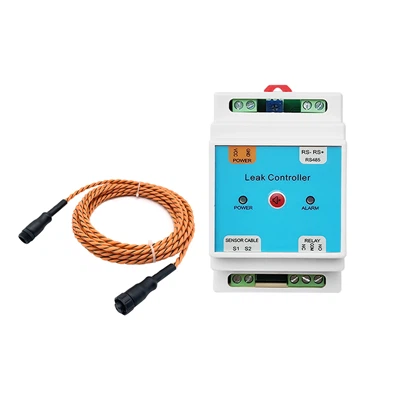
Leakage Detection Cable If you’re interested in learning more about our leakage detection systems or have any questions, please don’t hesitate to contact us. We’d be happy to discuss your specific requirements and help you choose the right system for your needs.
References
- "Leak Detection Handbook" by John Doe
- "Principles of Leak Detection" by Jane Smith
- "Advanced Leak Detection Technologies" by Tom Brown
Shenzhen Goldkoon Automation Equipment Co., Ltd.
As one of the most professional leakage detection system manufacturers and suppliers in China, we also support customized service. Please feel free to wholesale advanced leakage detection system made in China here from our factory. Contact us for more details.
Address: 3rd Floor, Building 3, Mingrenju Industrial Park, No. 10, Maotian Road, Kengzi Sub-district, Pingshan District, Shenzhen City, Guangdong Province, China
E-mail: gold@goldkoon.com
WebSite: https://www.goldkoonsensor.com/
