In the realm of heavy – haul transportation, selecting the right lowbed flatbed semi – trailer is a crucial decision that can significantly impact the efficiency and profitability of your business. As a seasoned supplier of lowbed flatbed semi – trailers, I understand the complexities involved in this choice. In this blog, I’ll share some key factors to consider when choosing the ideal trailer for your specific business needs. Lowbed Flatbed Semi Trailer

Understanding Your Business Requirements
The first step in choosing the right lowbed flatbed semi – trailer is to have a clear understanding of your business requirements. Consider the types of loads you will be transporting. Are they heavy machinery, construction materials, or oversized equipment? The weight and dimensions of your typical loads will determine the trailer’s capacity and size.
For instance, if you frequently transport large construction equipment such as excavators or bulldozers, you’ll need a trailer with a high weight capacity and a long deck length. On the other hand, if your loads are more compact but still heavy, like industrial generators, a shorter trailer with a high – strength frame might be sufficient.
Another aspect to consider is the frequency of transportation. If you’re involved in daily hauling operations, you’ll need a trailer that is durable and reliable. A well – built trailer can withstand the rigors of frequent use and reduce the risk of breakdowns, which can lead to costly delays.
Trailer Design and Features
The design and features of a lowbed flatbed semi – trailer play a vital role in its functionality. One of the key design elements is the deck height. Lowbed trailers are known for their lower deck height compared to standard flatbed trailers, which allows for easier loading and unloading of tall or heavy equipment. A lower deck also provides better stability during transportation, especially when carrying top – heavy loads.
The construction of the trailer frame is also crucial. Look for trailers with a robust frame made from high – quality steel. A strong frame can handle heavy loads without bending or warping, ensuring the safety of your cargo. Additionally, consider trailers with reinforced cross – members and side rails for added strength.
Loading ramps are another important feature. They should be easy to deploy and retract, and capable of supporting the weight of your loads. Some trailers come with hydraulic ramps, which offer the convenience of easy operation and can be adjusted to different angles.
Axle Configuration
The axle configuration of a lowbed flatbed semi – trailer affects its weight distribution and maneuverability. Trailers can have different numbers of axles, such as two – axle, three – axle, or even more. The more axles a trailer has, the greater its weight – carrying capacity.
A two – axle trailer is suitable for lighter loads and offers better maneuverability, especially in tight spaces. It is also more fuel – efficient compared to trailers with more axles. However, if you need to transport heavy or oversized loads, a three – axle or multi – axle trailer is a better choice. These trailers can distribute the weight of the load more evenly, reducing stress on the tires and suspension system.
When considering the axle configuration, also take into account the legal weight limits in your area. Different regions have different regulations regarding the maximum weight that a trailer can carry per axle. Make sure the trailer you choose complies with these regulations to avoid fines and legal issues.
Suspension System
The suspension system of a lowbed flatbed semi – trailer is responsible for providing a smooth ride and protecting your cargo. There are several types of suspension systems available, including leaf spring suspension, air suspension, and hydraulic suspension.
Leaf spring suspension is the most common type and is known for its simplicity and durability. It consists of a series of metal springs that absorb shocks and vibrations during transportation. However, leaf spring suspension may not provide the same level of comfort as air or hydraulic suspension.
Air suspension uses airbags to support the weight of the trailer and provides a smoother ride. It can be adjusted to different load levels, allowing for better weight distribution. Air suspension also reduces wear and tear on the tires and suspension components, resulting in lower maintenance costs.
Hydraulic suspension is a more advanced option that offers precise control over the trailer’s height and ride quality. It is often used for transporting sensitive or high – value cargo, as it can minimize vibrations and shocks.
Braking System
A reliable braking system is essential for the safety of your trailer and its cargo. There are two main types of braking systems used in lowbed flatbed semi – trailers: drum brakes and disc brakes.
Drum brakes are the traditional choice and are known for their simplicity and affordability. They work by applying pressure to the inside of a drum, which slows down the rotation of the wheels. However, drum brakes can overheat during heavy use, leading to reduced braking performance.
Disc brakes, on the other hand, offer better braking performance and are less prone to overheating. They work by clamping a pair of brake pads onto a rotating disc, which provides more efficient stopping power. Disc brakes also require less maintenance compared to drum brakes.
When choosing a trailer, make sure it is equipped with a braking system that meets or exceeds the legal requirements in your area. Additionally, consider trailers with an anti – lock braking system (ABS), which can prevent the wheels from locking up during sudden stops, improving safety.
Maintenance and Service
Maintenance is an important aspect of owning a lowbed flatbed semi – trailer. Regular maintenance can extend the lifespan of the trailer and ensure its safe operation. When choosing a trailer, consider the ease of maintenance. Look for trailers with accessible components and a well – designed layout that allows for easy inspection and repair.
It’s also important to choose a trailer from a supplier that offers reliable after – sales service. A good supplier will provide technical support, spare parts, and maintenance training. They should also have a network of service centers that can quickly respond to any issues that may arise.
Cost and Budget
Cost is always a factor when making a purchasing decision. However, it’s important to balance cost with quality and performance. A cheaper trailer may save you money upfront, but it could end up costing you more in the long run due to higher maintenance costs and lower reliability.
When comparing prices, make sure you’re comparing trailers with similar features and specifications. Consider the total cost of ownership, which includes the purchase price, maintenance costs, fuel consumption, and resale value. A high – quality trailer may have a higher initial cost, but it can provide better value over its lifespan.
Customization Options
Every business has unique needs, and a customizable lowbed flatbed semi – trailer can be a great solution. Some suppliers offer customization options, such as different deck lengths, widths, and configurations. You can also choose from a variety of additional features, such as toolboxes, tie – down points, and lighting systems.
Customization allows you to tailor the trailer to your specific requirements, improving its functionality and efficiency. However, keep in mind that customization may increase the cost and lead time of the trailer.
Reputation and Reviews
Before making a purchase, it’s important to research the reputation of the trailer supplier. Look for suppliers with a good track record of providing high – quality trailers and excellent customer service. You can read online reviews and testimonials from other customers to get an idea of their experiences.
A reputable supplier will be transparent about their products and services and will be willing to answer any questions you may have. They should also provide detailed product information and specifications, allowing you to make an informed decision.
Conclusion
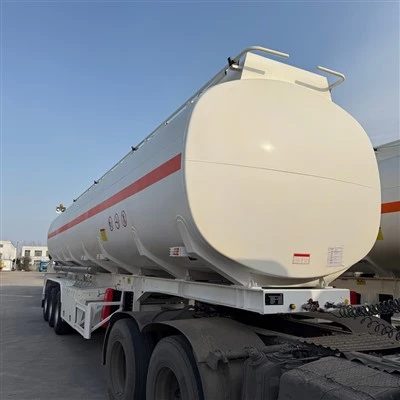
Choosing the right lowbed flatbed semi – trailer for your business is a complex decision that requires careful consideration of several factors. By understanding your business requirements, evaluating the design and features of the trailer, considering the axle configuration, suspension system, braking system, maintenance and service, cost and budget, customization options, and the reputation of the supplier, you can make an informed choice that will meet your needs and help your business succeed.
Shacman Truck If you’re in the market for a lowbed flatbed semi – trailer, I invite you to reach out to me for more information. I’m here to assist you in finding the perfect trailer for your business. Whether you have questions about our products, need a custom – built solution, or want to discuss pricing, don’t hesitate to contact me. Let’s work together to find the right trailer that will enhance the efficiency and profitability of your transportation operations.
References
- "Heavy – Haul Trailer Handbook" by John Doe, 2020.
- "Trailer Design and Engineering" by Jane Smith, 2019.
- Industry reports from the Transportation Equipment Manufacturers Association.
Heavy Leading Company Limited
Heavy Leading Company Limited is one of the most experienced lowbed flatbed semi trailer manufacturers and suppliers in China, featured by quality products and low price. Welcome to buy discount lowbed flatbed semi trailer in stock here and get pricelist from our factory. We also accept customized orders.
Address: Guotang, Quanpu, Liangshang, Jining City, China
E-mail: truckalex@heavyleading.com
WebSite: https://www.truckalex.com/
