If you’ve ever helped plan a concert, a corporate product launch, a trade show booth, or even a small community festival, you know that one of the biggest questions when locking in a rental LED display isn’t just whether it’s bright enough or gets seen by the back row—it’s: “What sizes are actually available?” When I first started running our rental LED display company, I thought the answer was straightforward: pick a big screen or a small one. But after working with clients from backyard farmers hosting harvest celebrations to international brands launching new cars in front of 20,000 people, I learned that size for rental LED isn’t just “big vs. small.” It’s about matching the right pixel pitch, resolution, and modular build to your specific event space, audience distance, and even the structural logistics of your venue. Let’s break down the actual sizes available, how they work, and what works best for your next event. Rental LED Display
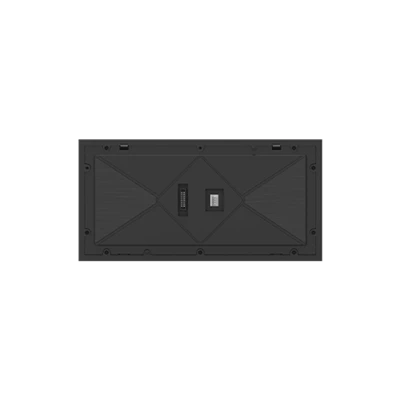
First, it’s important to frame rental LED display sizes differently from the flat-screen TV you have at home. Consumer TVs are sold by diagonal inches, but rental LED is almost always broken into modular panels. Think of these like big, square Lego bricks: standard panels are 500mm x 500mm (about 19.7 inches) or 1000mm x 500mm (39.4 x 19.7 inches), and you snap them together side by side, top to bottom, to make any size you need. That’s why you won’t see a fixed “12-foot” or “20-foot” option listed on our rental quote—we build the exact screen dimensions you need, as long as they fit the space. But that modular system creates standard size categories that clients reference all the time, and these categories are tied directly to pixel pitch, which is the distance between each LED light. Pixel pitch is what determines visibility from different distances, so it’s not a separate choice from size—it works hand-in-hand.
Let’s start with the smallest standard category for rental LED: mini screens. These are almost always under 10 feet wide, and they’re made with tighter pixel pitches (from 1.9mm up to 4mm) because most small indoor events have audiences sitting close by. What events use mini rental LED? Think small corporate town halls, wedding receptions, pop-up retail activations, or even classroom presentations for 50 to 200 people. I recently had a wedding client who wanted a screen for their first dance that was just 8 feet wide—small enough to not block the band, but large enough that guests at the back of the reception hall could see the video montage of the couple growing up. The mini category also includes screens that mount as stage backdrops for small local theater productions or charity galas. One thing to note about mini rental LED: since the panels are smaller, they’re lighter and easier to transport, which is a big win for clients who don’t have a big event crew or a 15-foot moving truck to carry gear. We can even build custom mini screens for tight spaces, like a small corner of a trade show booth where a brand wants to show product demos without taking up too much room.
Next up is the mid-sized rental LED category, which is probably the most versatile for event planners. These screens range from 10 feet to 25 feet wide, and they use pixel pitches from 4mm up to 8mm. This is the sweet spot for most mid-sized events: concerts for 500 to 5,000 people, product launches in large conference centers, trade show main stages, and high school or college sports broadcasts. A few months ago, a local indie band hired us for a tour stop at a 3,000-capacity venue—they wanted a screen big enough so the person standing at the very back of the room could see the guitarist’s face, but not so big that it blocked sightlines from the side balcony. We built them a 18-foot wide screen with a 6mm pixel pitch, which is perfect for viewing distances of 10 to 25 feet. Mid-sized screens also work great for corporate events like annual general meetings, where you need to stream live speeches and show slide decks without the picture becoming pixelated for attendees in the back. The modular design really shines here: if the venue’s stage is 12 feet wide, we can build a 12-foot screen; if it’s 18 feet, we add or remove panels to fit exactly. No cutting or adjusting panels—they lock together seamlessly to create a flat, smooth surface, which is critical for video quality.
Then we get to the large rental LED category, which is anything over 25 feet wide, and is used for big events: stadium concerts, music festivals, outdoor movie nights, large brand activations, and sports events with 10,000 or more attendees. For these screens, we use wider pixel pitches (8mm up to 16mm) because audience members are standing or sitting 25 feet or more away from the stage or screen. A 16mm pixel pitch, for example, is ideal for viewing distances of 50 feet or more—if you tried to use a tight pixel pitch like 2mm on a 30-foot wide festival screen, the LED lights would be so small that the picture would be hard to see from the back of the crowd, and you’d be wasting money on high-resolution panels that no one can fully view. Last summer, we worked on a country music festival with 15,000 attendees spread across a field; the main stage screen we built was 40 feet wide with a 10mm pixel pitch, so even the person standing 100 feet from the stage could see the lyrics of the songs and the artist’s performance clearly. Large rental LED also includes the wrap-around screens you see at award shows, where multiple screens are connected to form a curved or 360-degree display, though those are a custom build rather than a standard size. It’s worth noting that large rental screens do require more logistics: more panels, more rigging hardware, and more crew to install, but for events of that scale, they’re non-negotiable for getting the audience engaged.
Wait, but what about sizes that fall outside these standard categories? We get this question all the time—clients will say, “My venue’s stage is exactly 17 feet 6 inches wide, can you build that?” The answer is almost always yes, because of the modular panel system. Even custom size requests aren’t a problem, as long as you follow two general rules: screen aspect ratio and structural limits. Most rental LED screens use a 16:9 aspect ratio, which is the same as standard video and presentation content, so we adjust the number of horizontal and vertical panels to hit that ratio. If you want a square screen for a art installation or a 4:3 ratio for an old film screening, we can adjust that too—though 16:9 is still the most common for events, as it works with nearly all content. The other limit is structural: outdoor screens need to be rated for wind resistance, so we have to make sure the total size and weight of the screen fits the venue’s load capacity. For example, a small rooftop event has a lower weight limit than an outdoor field, so we might build a smaller screen with lighter panels instead of a larger one.
I also want to talk about size mistakes I’ve seen clients make over the years, because size isn’t just about fitting the space—it’s about serving the audience. The most common mistake is ordering a screen that’s too small for the audience. I had a client who planned a product launch for 2,000 people, and they tried to save money by renting a 10-foot screen with a 3mm pixel pitch. When they set it up, people standing in the back couldn’t read the fine print on the slides, and the image looked grainy from that distance. We had to add 8 panels to make it a 15-foot screen, with an 8mm pixel pitch, and suddenly everyone could see clearly. The other mistake is ordering a screen that’s too big, which can block sightlines or make the stage feel cramped. For a theater production, a screen that’s taller than the set’s backdrop will make the stage look unbalanced, so we adjust the vertical number of panels to fit the set’s height.
Another thing that people don’t always realize: rental LED sizes also include depth. When you rent a screen, it’s not just the height and width—how far it sticks out from the wall or stage matters, especially for venues with low ceilings or tight backstage areas. Our rental panels are thin, usually only 100mm (about 4 inches) deep for indoor models and up to 200mm for outdoor weather-resistant panels, so they don’t take up a lot of space. That’s a big difference from old projection screens, which required a lot of space behind or in front to project, but LED screens are standalone, so they fit in almost any venue with adequate rigging space.
Now, let’s circle back to why this matters for you as an event planner. The next time you’re researching rental LED displays, don’t just look for a size number—ask about the modular build, the pixel pitch, and how the screen will fit your audience and venue. If you’re hosting a small wedding or a pop-up shop, a mini screen under 10 feet wide is perfect. For a mid-sized conference or local concert, a 10 to 25 foot mid-sized screen is the sweet spot. For a big festival or stadium event, a screen over 25 feet wide with a wider pixel pitch will serve your audience best. And if you have a custom size request, don’t hesitate to ask—most of the time, we can build exactly what you need.
I’ve been in this industry for over a decade, and one of the things I’m most proud of is helping clients find the right screen size, not just the biggest one. A great event isn’t about having the largest screen—it’s about having a screen that enhances the experience, whether that’s letting a small wedding guest see a video montage clearly or letting 15,000 festival fans sing along to the right lyrics. If you’re planning an event and not sure what size rental LED display you need, don’t second-guess it. We work with clients of all sizes, from small local events to international productions, and we’ll help you find the perfect fit for your space, audience, and budget. The worst mistake you can make is guessing wrong and ending up with a screen that doesn’t work for your event.

If you’re ready to get started, reach out to our team to discuss your project, share details about your venue and audience size, and get a custom quote. No question is too small, no size is too custom, and we’re here to help make your event stand out with a rental LED display that works for you.
Outdoor LED Display References:
- Event Technology Industry Association. (2022). Rental LED Display Specifications and Best Practices for Event Sizing.
- LED Professional Association. (2021). Modular LED Panel Design and Standard Sizes for Temporary Event Installations.
- International Live Events Association. (2023). Audience Visibility Guidelines for Rental LED Screens at Outdoor and Indoor Events.
LiKYLIN (Chongqing) Intelligent Technology Co., Ltd.
As one of the most professional rental led display manufacturers and suppliers in China, we’re featured by quality products and low price. Please rest assured to wholesale advanced rental led display in stock here and get free sample from our factory. We also accept customized orders.
Address: Building 1, No.57, Jinfu Blvd, Gu’nan Street, Qijiang District, Chongqing, China
E-mail: marketing@likylin-led.com
WebSite: https://www.cqlikylinled.com/
