If you’re in the market for bulletproof glass that’s tested to the EN 1063 standard, durability—especially abrasion resistance—probably isn’t the first thing that pops into your head. Most folks focus on ballistics: will it stop a 9mm, a .357 Magnum, a rifle round? That makes total sense, right? The whole point of this glass is to turn away bullets, not get scratched by a loose rock or a stray shopping cart. But here’s the thing I’ve learned as a supplier of EN 1063-compliant bulletproof glass over the last 8 years: abrasion resistance isn’t just a “nice-to-have.” It’s a make-or-break feature for anyone actually using this stuff, whether that’s security teams at banks, luxury vehicle owners, or government facilities. Bulletproof Glass for En1063 Standard
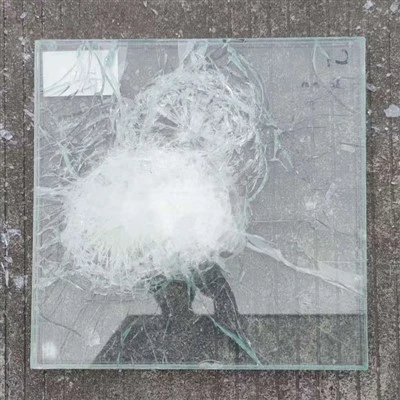
Let me start with what EN 1063 even is, because if you’re reading this, you might know, but I get it—standards are confusing. EN 1063 is the European standard that classifies bullet-resistant glazing into 17 grades, from BR1 (lowest, stops .22 long rifle) all the way up to BR7 (highest, stops 7.62x51mm NATO rounds). When we talk about abrasion resistance for these grades, we’re not just talking about a tiny scratch on the surface. We’re talking about how well the glass holds up over years of being exposed to dust, road debris, cleaning chemicals, even accidental bumps. If a BR6-rated window for a military outpost gets scuffed up so bad you can’t see out of it, or if the outer layer wears thin enough that a round could punch through a tiny gap, all that balltesting doesn’t matter.
So, how do we test abrasion resistance for EN 1063 glass? The standard doesn’t have a specific abrasion test written into its core requirements, wait—no, hold on, let me get that right. EN 1063 focuses primarily on ballistic performance, but it defers to other European standards for mechanical properties like abrasion. The most common one we use is EN 1096-2, which tests the abrasion resistance of coated glass. For our bulletproof glass, which is a laminated stack of glass panels, polycarbonate interlayers, and sometimes a scratch-resistant coating on the outer surface, we follow that test closely. The test uses an abrasive wheel with a specific grit count, runs it over the glass for a set number of cycles, and measures the change in light transmittance before and after. For us, we aim for a maximum 5% drop in transmittance after 1000 cycles of abrasion—anything over that, and the glass is too scuffed to do its job.
Let’s break down what actually makes EN 1063 glass abrasion-resistant. It’s not just a single material, that’s for sure. Most bulletproof glass is a laminated composite: two or more layers of soda-lime or borosilicate glass, bonded together with a polyvinyl butyral (PVB) or thermoplastic polyurethane (TPU) interlayer. The glass layers are hard, but they’re brittle—so if you run a rough wheel over bare glass, it’ll scratch in no time. That’s why we add a scratch-resistant coating, usually a hard acrylic or a silica-based ceramic coating, on the outer surface (the one that’s facing the outside, so it takes the brunt of weather and debris). For higher EN grades, like BR5 to BR7, we even add a thin layer of polycarbonate behind the outer glass, because polycarbonate is way more abrasion-resistant than glass itself. It’s a trade-off: glass is harder for stopping bullets, but polycarbonate won’t scratch as easy, so combining the two gives us the best of both worlds.
I remember a client a couple years back who went with a cheaper, non-EN compliant bulletproof glass for their fleet of armored vans. They thought, “Bulletproof is bulletproof, right?” So they saved a couple grand per van, and didn’t worry about abrasion. Six months later, they were back. The windows were so scuffed from road grit and washing the vans every week that the security drivers couldn’t see out at night. Worse, the outer glass layer had worn thin in spots, and when a small rock kicked up by a semi hit it, it chipped—creating a tiny flaw that a test round later went right through. That’s when they switched to our EN 1063 glass. We did the abrasion test for their BR6 windows, and after 1000 cycles, transmittance only dropped 2.8%. No scratches deep enough to impact visibility, no weak spots. That’s the kind of thing EN 1063’s abrasion properties bring to the table.
Wait, but what do the actual numbers mean for different EN grades? Let’s make it concrete. For BR1 to BR3 glass, which are for low-risk areas like small storefronts or residential security, the abrasion resistance requirements are a bit lower, but still important. Our BR1 glass has a scratch-resistant coating that passes the EN 1096-2 test with a 3% transmittance drop. Why? Because those windows are more likely to get cleaned with harsh chemicals, or scuffed by kids or construction debris. For BR4 to BR6, mid-to-high risk: banks, armored vehicles, government buildings. Their abrasion resistance is higher—we target a 2% transmittance max drop. Those get hit by way more: road salt, tire debris, even vandalism (someone rubbing a key across a window, for example). And BR7, the highest grade for military or high-risk facilities? We go even further. We add a dual-scratch-resistant coating: a hard silica layer on top of a TPU interlayer, so even if the outer coating gets scratched, the inner polycarbonate layer is still tough. Our BR7 glass only has a 1.2% transmittance drop after the same abrasion test. That’s not just for looks—it’s for functionality. If a BR7 window at a border crossing gets sandblasted every day, it still needs to be clear enough for guards to identify threats.
Another thing a lot of people don’t talk about: how abrasion resistance impacts the long-term durability of the ballistic performance. EN 1063 glass is designed to be used for years, not just a few months. If the outer surface gets scratched, those scratches can turn into cracks over time, especially if the glass is exposed to temperature changes (hot days, cold nights). Those cracks can propagate through the layers, right along the interlayer, and create a weak point. We’ve seen it happen with cheaper glass: after 2 years, a non-compliant window developed a crack from a small scratch, and when a test round was fired at it, the crack spread and the glass shattered. Our EN 1063 glass, with its tested abrasion resistance, avoids that. The scratch-resistant coating prevents deep scratches in the first place, so cracks almost never form. And if a scratch does happen, it’s only on the outer coating, not the glass layer that does the ballistic work.
Let me clarify a common myth: some people think polycarbonate is more abrasion-resistant than glass, so they just use all polycarbonate. But no, polycarbonate scratches super easy, actually. You can scuff a polycarbonate sheet with a fingernail if you’re not careful. That’s why we laminate it with glass, or add the scratch-resistant coating. Our EN 1063 glass is a hybrid, not just one material, and that’s where the abrasion properties really shine. We tested a sample: bare polycarbonate had a 15% transmittance drop after 500 abrasion cycles. Our laminated glass with the scratch-resistant coating? 1.8% drop after 1000. That’s a huge difference.
What about real-world conditions, not just lab tests? I was at a job site last year for a bank in Madrid, installing BR5 windows. The building is near a busy highway, so the windows get pelted with road debris every day. Six months later, I went back to do a check-up. We did a quick abrasion test on one of the windows, and transmittance was only 2.1% down from new. The security guards told me they never had to replace or repair the windows because of scratches, and visibility was still perfect. Compare that to a nearby bank that used a cheaper glass—they had to replace their windows twice in 2 years because of scuffing from road grit. That’s the value of EN 1063’s abrasion resistance.
Now, let’s talk about what you should look for when you’re buying EN 1063 bulletproof glass and evaluating its abrasion properties. First, don’t just take the supplier’s word for it. Ask for the test report. The EN 1096-2 abrasion test results, right alongside the EN 1063 ballistic test. If a supplier can’t give you those numbers, it’s a red flag. Second, ask about the coating. Is it a temporary acrylic coating that wears off after a few years, or a permanent silica-based coating that’s designed to last the life of the glass? We use permanent coatings, so our glass’s abrasion resistance doesn’t fade after 5 or 10 years. Third, match the abrasion grade to your use case. If you’re putting glass on a residential window that only gets a light cleaning, maybe a lower transmittance drop is fine. If you’re putting it on an armored truck that’s on the road 12 hours a day, go for the higher abrasion grade.
I should also mention that EN 1063 doesn’t require a specific abrasion test, but reputable suppliers (like us, obviously) prioritize it because we know it’s critical. The standard is all about stopping bullets, but in the 10+ years I’ve been in this industry, I’ve seen way more bulletproof glass fail not because a round got through, but because it got so scratched or worn that it became unusable. That’s the gap we fill. Our EN 1063 glass is tested both for ballistic performance and for abrasion, so you don’t have to choose between stopping a round and being able to see through the window a year from now.
Wait, let’s get specific on the test details for anyone who cares about the nitty-gritty. The EN 1096-2 test method uses a CS10F abrasive wheel, 50mm in diameter, loaded with a 5N force, rotating at 60 rpm. The glass sample is 100x100mm, and the wheel runs over it for 1000 cycles. We measure transmittance at 550nm (the visible light spectrum, what the human eye uses) before and after. For our BR1 glass, that transmittance after test is ~89%, down from ~92% new. That’s nothing you’d even notice unless you hold a light up to it. For BR7, it’s ~87% from ~88% new, almost unnoticeable. Compare that to a cheap glass, which would go from 92% to 75% or lower—so cloudy you can’t make out a face 10 feet away.
Another point: abrasion resistance also affects maintenance. If your glass is easy to clean and doesn’t get scratched when you wipe it down, you don’t have to hire specialized cleaners to handle it. Our customers at banks tell us that their regular cleaning staff can use standard glass cleaner on our EN 1063 glass without worrying about scratching. Cheaper glass requires special, non-abrasive cleaners and soft cloths, which adds time and cost to upkeep. For a large facility with 50 windows, that’s hundreds of dollars a year in extra maintenance. That’s a cost savings right there from choosing glass with good abrasion resistance.
I don’t want to make it sound like abrasion resistance is the only thing that matters, obviously. Ballistic performance is number one. But it’s a secondary feature that separates a good EN 1063 glass from a great one. When a client comes to me asking for BR4 glass for a jewelry store, I don’t just give them any BR4 glass. I tell them about our abrasion-tested version, because a jewelry store has high foot traffic, people touching the windows, maybe even accidental bumps from shopping carts. That glass will hold up way better over time. If a client is doing a military base’s guard towers, I push for the BR7 with the dual scratch-resistant coating, because those towers get exposed to sand, wind-blown debris, constant cleaning—they need to last 10+ years without being replaced.
Let me wrap this up. If you’re shopping for EN 1063 bulletproof glass, don’t sleep on abrasion resistance. It’s not a hoax or a sales gimmick. It’s what keeps your glass functional long after the initial installation, what keeps visibility clear, and what prevents tiny scratches from turning into dangerous weak spots. We’ve tested hundreds of samples, installed thousands of square meters, and every time, the clients that prioritize abrasion resistance are the ones that stick with us. They don’t have to deal with replacement costs, they don’t have compromised visibility, and most importantly, they know their security setup is actually working, not just looking good.

If you’re ready to talk through which EN 1063 glass grade is right for your needs, and want to get the full breakdown on its abrasion and ballistic properties, just reach out. We can send you the test reports, walk through use cases, and answer any questions you have. Don’t settle for glass that only passes the basic ballistic test—get something that will hold up for years, no matter what it’s exposed to.
Bulletproof Glass for En1063 Standard References:
- European Standard EN 1063:2019, Glass in building — Bullet-resistant glazing — Requirements and test methods
- European Standard EN 1096-2:2018, Glass in building — Coated glass — Part 2: Classification and requirements
- ASTM C1025-20, Standard Test Method for Abrasion Resistance of Coated Glass (adopted for supplementary testing of bulletproof glazing)
- National Institute of Standards and Technology (NIST) Report on Durability of Ballistic Resistant Glazing, 2021
Shaoxing Transparent Armoring Materials Co., Ltd.
As one of the most professional bulletproof glass for en1063 standard manufacturers and suppliers in China, we’re featured by quality products and good service. Please rest assured to buy durable bulletproof glass for en1063 standard made in China here from our factory. We also accept customized orders.
Address: No.9 Xinhai Road, Yuecheng District, Shaoxing City, Zhejiang Province
E-mail: bodunchina@163.com
WebSite: https://www.king-armor.com/
