Can I connect multiple 12V lithium batteries in parallel?
As a supplier of 12V lithium batteries, I often encounter customers with questions about battery connections, especially the query of whether they can connect multiple 12V lithium batteries in parallel. In this blog post, I will delve into the technical aspects, benefits, potential risks, and best practices of parallel – connecting 12V lithium batteries. 12v Lithium Battery
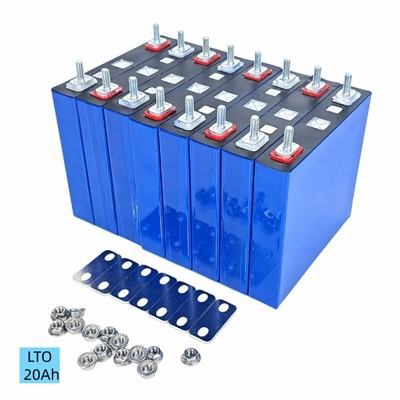
Technical Principles of Parallel Battery Connection
When we talk about connecting batteries in parallel, we are essentially connecting the positive terminals of all batteries together and the negative terminals together. In the case of 12V lithium batteries, this connection method has a significant impact on the overall electrical characteristics of the battery system.
The voltage of a parallel – connected battery system remains the same as the voltage of a single battery. So, if you connect multiple 12V lithium batteries in parallel, the total voltage of the system will still be 12V. However, the capacity of the battery system increases. Capacity is usually measured in amp – hours (Ah). For example, if you have two 12V lithium batteries, each with a capacity of 100Ah, when connected in parallel, the total capacity of the battery system will be 200Ah.
Mathematically, if we have (n) batteries with the same voltage (V) and capacity (C), the total voltage (V_{total}) and capacity (C_{total}) of the parallel – connected battery system are given by:
(V_{total}=V)
(C_{total}=n\times C)
This is based on the fundamental principles of electrical circuits. In a parallel circuit, the voltage across each component is the same, while the current is divided among the components. When it comes to batteries, the increased capacity means that the battery system can supply current for a longer time at the same voltage.
Benefits of Connecting 12V Lithium Batteries in Parallel
- Increased Capacity: As mentioned earlier, the most obvious benefit is the increase in capacity. This is extremely useful in applications where a large amount of energy storage is required, such as in off – grid solar power systems, electric vehicles, and backup power supplies. For example, in an off – grid solar system, a higher – capacity battery bank can store more energy generated by solar panels during the day, providing power for a longer period at night or during cloudy days.
- Flexibility in System Design: Parallel connection allows for a more flexible system design. You can start with a small number of batteries and gradually add more as your energy requirements increase. This is especially beneficial for small – scale users or those on a budget, as they can expand their battery system incrementally.
- Redundancy: Having multiple batteries connected in parallel provides a certain level of redundancy. If one battery fails, the other batteries can still continue to supply power, although the overall capacity of the system will be reduced. This is crucial in applications where uninterrupted power supply is essential, such as in medical equipment or data centers.
Potential Risks and Challenges
- Battery Mismatch: One of the biggest challenges in parallel – connecting batteries is the issue of battery mismatch. If the batteries have different capacities, internal resistances, or states of charge, it can lead to uneven charging and discharging. For example, a battery with a lower capacity may become fully charged or discharged earlier than the others, which can cause overcharging or over – discharging of that battery. Over time, this can reduce the lifespan of the batteries and even pose a safety hazard.
- Thermal Management: When multiple batteries are connected in parallel, heat generation can be a concern. If the batteries are not properly ventilated or cooled, the increased heat can affect the performance and lifespan of the batteries. High temperatures can also increase the risk of thermal runaway, a dangerous condition where the battery overheats and can potentially catch fire or explode.
- Balancing Requirements: To ensure the long – term health of the battery system, proper battery balancing is required. Battery balancing involves equalizing the state of charge of all the batteries in the parallel connection. This can be achieved through the use of a battery management system (BMS). A BMS monitors the voltage and state of charge of each battery and takes corrective actions to ensure that all batteries are charged and discharged evenly.
Best Practices for Connecting 12V Lithium Batteries in Parallel
- Use Batteries from the Same Batch: To minimize the risk of battery mismatch, it is recommended to use batteries from the same batch. Batteries from the same batch are more likely to have similar electrical characteristics, such as capacity and internal resistance.
- Install a Battery Management System (BMS): A BMS is essential for parallel – connected battery systems. It helps to monitor the state of charge of each battery, prevent overcharging and over – discharging, and balance the batteries. Make sure to choose a BMS that is compatible with your battery type and system requirements.
- Proper Wiring and Connections: Use high – quality wires and connectors to ensure low – resistance connections. Loose or corroded connections can cause voltage drops and heat generation, which can damage the batteries. Also, make sure to follow the correct wiring diagram for parallel connection.
- Thermal Management: Provide adequate ventilation and cooling for the battery system. You can use fans or heat sinks to dissipate heat. Avoid placing the batteries in a confined space or in direct sunlight.
Conclusion

In conclusion, it is possible to connect multiple 12V lithium batteries in parallel, and it offers several benefits such as increased capacity, flexibility in system design, and redundancy. However, it also comes with potential risks and challenges, such as battery mismatch, thermal management, and the need for proper balancing. By following the best practices outlined above, you can ensure a safe and efficient parallel – connected battery system.
Lithium Battery If you are considering using parallel – connected 12V lithium batteries for your application, or if you have any questions about our 12V lithium batteries, I encourage you to reach out to us. Our team of experts is ready to provide you with professional advice and support. We can help you design a battery system that meets your specific energy requirements and ensure its long – term reliability.
References
- Linden, D., & Reddy, T. B. (2002). Handbook of Batteries. McGraw – Hill.
- Karden, E. (2011). Lithium – Ion Batteries: Basics, Progress and Challenges. Springer.
Dongguan Ritano New Energy Co., Ltd.
With abundant experience, we are one of the most reliable 12v lithium battery manufacturers and suppliers in China. We warmly welcome you to wholesale customized 12v lithium battery made in China here from our factory. If you have any enquiry about quotation, please feel free to email us.
Address: Building 27, Jewelry Park, Huanchang North Road, Changping Town, Dongguan City, Guangdong Province
E-mail: Umi.sales@ritano.cn
WebSite: https://www.ritanopower.com/
