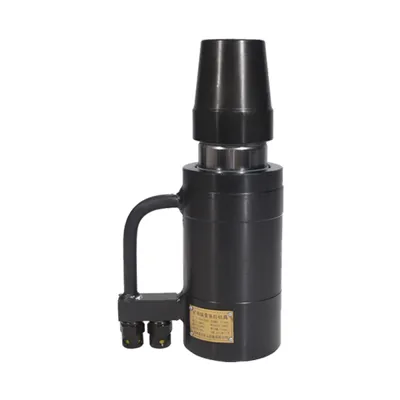
In the industrial landscape, cable – controlled valves play a crucial role in various systems, controlling the flow of fluids, gases, or even granular materials. A cable tensioner is an essential tool for ensuring the proper functioning of these valves. As a cable tensioner supplier, I’ve witnessed firsthand the importance of understanding how to use this device effectively. In this blog, I’ll share in – depth knowledge about using a cable tensioner for a cable – controlled valve. Cable Tensioner
Understanding the Basics
Before delving into the usage of a cable tensioner, it’s vital to understand the components involved. A cable – controlled valve consists of a valve body, a cable mechanism, and the valve actuator. The cable transfers the force from the actuator to the valve, allowing it to open or close. The cable tensioner, on the other hand, is designed to adjust and maintain the appropriate tension in the cable.
The correct tension in the cable is crucial because if the tension is too low, the valve may not operate fully or may respond sluggishly. Conversely, excessive tension can cause premature wear on the cable, the valve components, and even lead to mechanical failures.
Selecting the Right Cable Tensioner
The first step in using a cable tensioner for a cable – controlled valve is to select the appropriate tensioner. There are different types of cable tensioners available in the market, including ratchet – type, screw – type, and spring – loaded tensioners.
Ratchet – type tensioners are popular for their ease of use and the ability to provide incremental adjustments. They work on the principle of a ratchet mechanism that allows the user to tighten or loosen the cable in small, controlled steps. These tensioners are suitable for applications where precise tension control is required.
Screw – type tensioners, as the name suggests, use a screw mechanism to adjust the tension. They are relatively simple and can provide a high degree of tension adjustment. However, they may require more effort to operate compared to ratchet – type tensioners.
Spring – loaded tensioners are self – adjusting and are designed to maintain a constant tension in the cable. They are ideal for applications where the cable length may change due to factors such as temperature variations or mechanical movement.
When selecting a cable tensioner, it’s important to consider factors such as the type of cable – controlled valve, the required tension range, and the environmental conditions in which the valve operates. As a supplier, I always recommend consulting with the valve manufacturer or an experienced engineer to determine the most suitable tensioner for your specific application.
Installation of the Cable Tensioner
Once the appropriate cable tensioner has been selected, the next step is to install it correctly. The installation process may vary depending on the type of tensioner and the valve system.
First, ensure that the cable is properly routed through the valve mechanism and the tensioner. The cable should be free of any kinks or twists, as this can affect the tensioning process and the overall performance of the valve.
For most cable tensioners, there are specific mounting points provided. These mounting points are designed to ensure that the tensioner is securely attached to the valve system and can apply the tension evenly along the cable. Use the appropriate fasteners and follow the manufacturer’s instructions for mounting the tensioner.
After mounting the tensioner, connect the cable to it. In some cases, this may involve using a clevis or a similar connector. Make sure that the connection is tight and secure, as any loose connection can lead to inaccurate tensioning and potential valve malfunctions.
Adjusting the Tension
Adjusting the tension in the cable is the most critical step in using a cable tensioner for a cable – controlled valve. The following steps will guide you through the tension adjustment process:
Step 1: Initial Inspection
Before making any adjustments, visually inspect the cable and the valve system. Check for signs of wear, damage, or misalignment. If any issues are detected, address them before proceeding with the tension adjustment.
Step 2: Determine the Required Tension
The required tension in the cable depends on several factors, including the type of valve, the operating conditions, and the manufacturer’s specifications. Refer to the valve’s technical documentation or consult with the manufacturer to determine the appropriate tension range.
Step 3: Tension Adjustment
If you are using a ratchet – type tensioner, engage the ratchet mechanism and start tightening the cable in small increments. As you tighten the cable, periodically check the tension using a tension gauge. A tension gauge is a simple tool that measures the tension in the cable and provides a numerical value.
For screw – type tensioners, use a wrench to turn the screw in the appropriate direction to increase or decrease the tension. Similar to the ratchet – type tensioner, use a tension gauge to monitor the tension during the adjustment process.
Spring – loaded tensioners are self – adjusting, but it’s still important to check the tension periodically. If the tension is outside the required range, you may need to adjust the pre – load of the spring according to the manufacturer’s instructions.
Step 4: Final Check
Once the tension has been adjusted to the required range, perform a final check of the valve operation. Open and close the valve several times to ensure that it operates smoothly and fully. Check for any signs of binding or abnormal noise, which may indicate that the tension is still incorrect.
Maintenance of the Cable Tensioner
Proper maintenance of the cable tensioner is essential to ensure its long – term performance and reliability. Here are some maintenance tips:
- Regular Inspection: Inspect the tensioner and the cable regularly for signs of wear, corrosion, or damage. Replace any worn or damaged parts immediately.
- Lubrication: Depending on the type of tensioner, lubricate the moving parts periodically to reduce friction and ensure smooth operation. Refer to the manufacturer’s instructions for the appropriate lubricant and lubrication intervals.
- Calibration: If the tensioner includes a tension gauge, calibrate it regularly to ensure accurate tension measurements. Use a known – weight standard or a calibrated tension – measuring device for calibration.
Safety Considerations
When using a cable tensioner for a cable – controlled valve, safety should always be the top priority. Here are some safety tips:
- Wear Appropriate Safety Gear: Wear safety glasses, gloves, and other appropriate personal protective equipment (PPE) when working with the cable tensioner.
- Follow Manufacturer’s Instructions: Always follow the manufacturer’s instructions for the installation, operation, and maintenance of the tensioner.
- Avoid Over – Tensioning: Over – tensioning the cable can cause serious damage to the valve system and pose a safety hazard. Always monitor the tension using a tension gauge and stay within the recommended tension range.
Conclusion

Using a cable tensioner for a cable – controlled valve is a process that requires careful selection, proper installation, accurate tension adjustment, and regular maintenance. As a cable tensioner supplier, I am committed to providing high – quality products and the necessary support to ensure that our customers can use our tensioners effectively and safely.
Hydraulic Power Supply If you are looking for a reliable cable tensioner for your cable – controlled valve application, I encourage you to reach out to us. Our team of experts is ready to assist you in selecting the right tensioner, providing installation guidance, and offering long – term technical support. Contact us today to start a discussion about your specific needs and explore how our cable tensioners can enhance the performance of your valve systems.
References
- Valve Manufacturer’s Technical Documentation
- Industry Standards for Cable – Controlled Valves and Tensioners
Changzhou Truyou Mining Equipment Co., Ltd.
As one of the most professional cable tensioner manufacturers and suppliers in China, we have world-leading production equipment and strong manufacturing capabilities. Please rest assured to buy advanced cable tensioner made in China here from our factory. Customized orders are welcome.
Address: No. 186 Hongxi Road, Niutang Town, Wujin District, Changzhou City, Jiangsu Province
E-mail: info@truyoucoalmining.com
WebSite: https://www.truyoucoalmining.com/
