If you’ve ever stood in the rain or stood under the scorching sun next to a building’s exterior plumbing, you might’ve wondered: do pipe brackets hold up when left outside? As a pipe bracket supplier who’s spent 12 years helping contractors, plumbers, and building managers pick the right hardware, I get this question all the time—usually when someone’s mid-project and scrambling to fix a leaky exterior sprinkler line or replace a rusted hanger holding their rooftop water heater. The short answer is: yes, pipe brackets can be used outdoors, but only if you pick the right type for your specific environment and prep them correctly. I’ve seen too many projects go sideways because someone grabbed the indoor brackets they had in the warehouse, thinking “metal is metal,” and ended up with a rusted mess six months later. Let me break this down the way I do when I’m on the phone walking a contractor through their options, no fancy jargon, just real-world lessons. Pipe Bracket
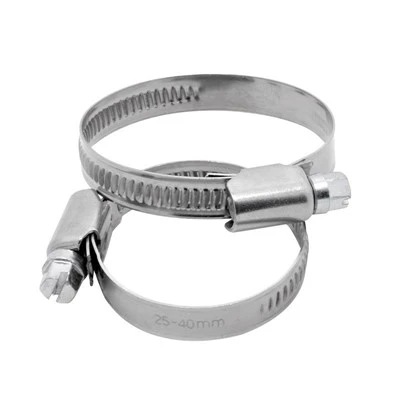
First, let’s talk about why outdoor conditions are so much harder on pipe brackets than indoor ones. Indoors, your brackets only have to deal with mild temperature fluctuations, maybe a little condensation from a basement sump pump or a bathroom sink drain. Outdoors, you’re fighting UV radiation from the sun that breaks down paint and coatings, freeze-thaw cycles that expand and contract metal, constant moisture from rain, snow, or salt in coastal air, and even debris like tree branches rubbing against the metal. That stress isn’t just cosmetic—if a bracket rusts through or pulls loose because its coating failed, it can cause a pipe to sag, leak, or even break, leading to water damage that costs way more to fix than the brackets themselves. I’ve had a customer come to me last year in Florida, right after hurricane season, saying their rooftop irrigation line had pulled free and flooded their garage. Turns out they used plain steel brackets they’d bought for an indoor project, and the salt air had corroded them so badly the screws ripped right through the mounting holes. That’s the kind of mistake we work hard to help people avoid.
Now, the most critical part: choosing the right material for outdoor pipe brackets. Not all metals are created equal when it comes to withstanding the elements. Let’s go through the ones we sell most often, and when to use each.
First up, galvanized steel brackets. This is the workhorse for most outdoor residential and light commercial projects, and it’s what I recommend for things like exterior hose bib lines, gutter downspouts, or underground utility pipes that won’t be exposed to direct salt or harsh chemicals. Galvanized steel gets its corrosion resistance from a zinc coating that acts like a shield—when the steel underneath starts to get exposed, the zinc corrodes first, keeping the main metal intact. But not all galvanized is the same. There’s hot-dip galvanizing, which is when you dip the entire bracket in molten zinc, so the coating is thick and durable, perfect for year-round outdoor use. Then there’s electro-galvanizing, which is a thinner coating, usually used for indoor brackets or short-term outdoor use. I never suggest electro-galvanized brackets for anything that’s going to be in the elements long-term—they’ll chip and flake in a year or two. I always tell customers to ask for hot-dip galvanized, and if they’re dealing with a slightly more harsh environment, like a patio near a pool, we offer a heavy-duty hot-dip option that has an extra-thick zinc layer.
Next, stainless steel brackets. These are the go-to for harsh environments, like coastal areas, where salt air eats through galvanized steel in just a few years, or for projects near chemical plants or agricultural areas where there’s exposure to fertilizers or pesticides. The grade of stainless steel matters here, though. Grade 304 is the most common, good for most coastal and suburban outdoor use—it resists rust and corrosion way better than galvanized steel. But if you’re in an area with extremely high salt exposure, like a beachfront home where sea spray hits the pipes every day, Grade 316 stainless steel is non-negotiable. It has molybdenum added to its alloy, which makes it resistant to pitting corrosion—those tiny, deep rust holes that form on stainless steel when salt gets trapped. I had a customer in North Carolina a few years ago put up a fence line with 304 stainless brackets for their outdoor water line, and within two years, the salt air had caused pitting that made the brackets fail. We swapped them out for Grade 316, and they’ve had no issues since. The tradeoff is that stainless steel is more expensive than galvanized, but it’s worth it for high-exposure areas—you won’t have to replace them every few years.
Then there are non-metallic brackets, like PVC or fiberglass-reinforced polymer (FRP). These are a great option for people who want to avoid metal corrosion altogether, or for projects where electrical conductivity is a concern—like if you’re running a pipe near power lines, and metal brackets could cause an electrical hazard. I see these used a lot in commercial settings, like industrial parks or schools, where they might be running pipes near lighting or electrical equipment. Non-metallic brackets are lightweight, easy to cut to size, and they don’t rust or corrode, even in salt or chemical exposure. But they do have downsides: they can get brittle in extreme cold (like below 20 degrees Fahrenheit), and UV radiation can make them fade and crack over time if they’re not UV-stabilized. Always make sure you’re buying non-metallic brackets that are labeled “UV-stabilized” for outdoor use—cheaper ones will fall apart in a couple of seasons in the sun.
Once you’ve picked the right bracket material, proper installation and maintenance are just as important as the bracket itself. I see people install brackets wrong all the time, even when they pick the right material, and that leads to early failure. First, make sure you’re mounting brackets to a solid surface—siding, stucco, or even thin wood will not hold an outdoor pipe long-term. Use concrete anchors or lag screws, not just small drywall screws, which will pull loose when the pipe expands and contracts with temperature changes. For example, when a hot water line runs outside, it expands when the water’s turned on and contracts when it’s off, putting constant pressure on the brackets. If you mount a bracket with a flimsy screw, it will eventually pull free.
Another installation tip: leave a little gap between the pipe and the bracket. I know it might seem like you want the pipe to be tight, but metal and plastic pipes expand and contract differently, and that gap prevents friction that can wear down both the pipe and the bracket over time. For non-metallic brackets, don’t overtighten the screws—cracking the plastic or FRP will ruin their strength.
When it comes to maintenance, you don’t have to do a whole lot, but a quick check once a year will save you from big problems. In the spring, after winter has ended, wipe down brackets near the ocean or areas with a lot of pollen or road salt—those substances can get trapped in the bracket’s mounting holes and cause corrosion. Look for any rust spots on galvanized or stainless brackets, or cracks in non-metallic ones. If you see a small rust spot on a galvanized bracket, you can touch it up with zinc-rich paint to stop it from spreading. For stainless, if you see pitting, it’s usually too late to fix, so it’s time to replace the bracket.
I also want to address a common myth I hear all the time: that outdoor brackets have to be custom-made for every project. That’s not true. While we do offer custom-cut brackets for specific sizes, most standard pipe sizes (1/2 inch, 3/4 inch, 1 inch, etc.) have pre-sized outdoor brackets that fit perfectly. We even make adjustable outdoor brackets, which are great for people who are working with pipes that have slight size variations, or for projects where you need to adjust the angle of the pipe.
Let me give you a real example of a project that went right because we got the bracket choice right. Last year, I worked with a contractor in Texas who was installing a new outdoor water system for a restaurant. The restaurant was located about 10 miles from the Gulf Coast, so salt air was a concern, and the system had to withstand the extreme heat and occasional freezes in the winter. They initially wanted to use galvanized brackets, but I recommended Grade 304 stainless steel with heavy-duty mounting hardware. We also added UV-stabilized non-metallic brackets for a section of the line that ran near the kitchen’s exhaust, where heat could cause metal to expand too much. Six months later, the contractor sent me a photo, and the brackets looked brand new—no rust, no sagging pipe, no leaks. That’s the kind of result we strive for with every project.
Another example: a homeowner in Colorado who needed to replace the brackets for their exterior snowmelt pipe system. They had used plain steel brackets from a big box store 10 years earlier, and they were completely rusted through, with ice damage from the constant freeze-thaw cycles. We recommended hot-dip galvanized steel brackets, which are rated for 50+ years of outdoor use in moderate climates, and they’ve had no issues since. The homeowner told me it was way easier than replacing the brackets every few years, and it saved them money in the long run.
So, to circle back to the original question: yes, pipe brackets can absolutely be used outdoors, but the key is choosing the right material for your specific environment, installing them correctly, and doing basic maintenance. It’s not a one-size-fits-all situation—grabbing the cheapest bracket at the store and hoping for the best will almost always lead to problems down the line.

If you’re working on an outdoor project, whether it’s a residential plumbing line, a commercial irrigation system, or an industrial pipe setup, don’t guess when it comes to brackets. Our team has decades of experience helping people pick the right outdoor pipe brackets that fit their needs, budget, and environment. We can walk you through the different materials, sizes, and mounting options, and make sure you get the right product that will last for years, not months. Don’t let a bad bracket choice turn your project into a costly repair later—reach out to us to discuss your requirements today.
Pipe Clamp References
- NACE International. (2016). Corrosion Costs and Preventive Strategies in the United States. NACE International.
- American Society of Mechanical Engineers. (2018). ASME B31.9: Building Services Piping. American Society of Mechanical Engineers.
- Galvanizers Association. (2020). Hot-Dip Galvanizing for Corrosion Protection. Galvanizers Association.
- Stainless Steel World. (2019). Selection Guidelines for Stainless Steels in Coastal Applications. KCI Publishing.
Dongtai Chuanqianzhou Stainless Steel Products Co., Ltd.
As one of the most professional pipe bracket manufacturers and suppliers in China, we also support customized service. Welcome to buy durable pipe bracket made in China here and get pricelist from our factory. For price consultation, contact us.
Address: No. 168 Huinan Throat Hoop, North of Fengshou River Bridge, Shiyan Town, Dongtai City, Yancheng City, Jiangsu Province
E-mail: gu19910218@163.com
WebSite: https://www.hnanclamp.com/
